
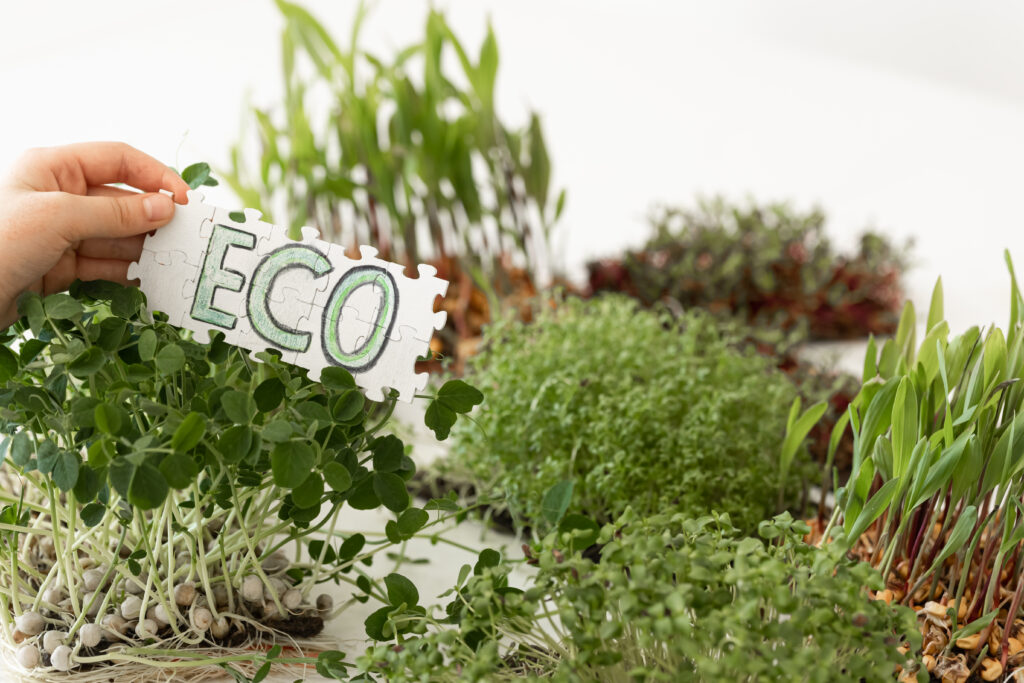
In recent years, zero chemicals farming has emerged as a powerful and sustainable alternative to conventional agriculture. With rising concerns about soil degradation, water pollution, health risks, and climate change, farmers and consumers alike are looking for safer and more eco-friendly food production methods. Zero chemicals farming focuses on growing crops without the use of synthetic fertilizers, pesticides, herbicides, or chemical growth enhancers, ensuring natural balance in the farming ecosystem.
This approach is not just a trend—it is a return to nature combined with modern ecological understanding.
What Is Zero Chemicals Farming?
Zero chemicals farming is an agricultural practice where crops are grown using 100% natural inputs. Instead of chemical fertilizers and pesticides, farmers rely on:
- Organic compost and farmyard manure
- Bio-fertilizers
- Natural pest control methods
- Cow-based inputs like jeevamrut and panchagavya
- Crop rotation and mixed cropping
The core idea of zero chemicals farming is to protect soil health, biodiversity, and human health while maintaining long-term productivity.
Why Zero Chemicals Farming Is Important Today
Modern chemical farming has boosted production but at a heavy cost. Overuse of chemicals has led to:
- Declining soil fertility
- Contaminated groundwater
- Pesticide residues in food
- Increased health issues
- Higher input costs for farmers
Zero chemicals farming addresses these issues by creating a self-sustaining agricultural system that works in harmony with nature.
Key Benefits of Zero Chemicals Farming
1. Improves Soil Health
Chemical-free farming restores soil microorganisms and increases organic matter. Healthy soil retains moisture better, prevents erosion, and supports long-term crop productivity.
2. Produces Safe and Nutritious Food
Food grown through zero chemicals farming is free from toxic residues, making it safer for consumption. Many studies suggest that naturally grown crops have better taste and higher nutritional value.
3. Environmentally Friendly
By avoiding synthetic chemicals, this farming method reduces water pollution, protects beneficial insects, and supports biodiversity. It also lowers carbon emissions associated with chemical production.
4. Reduces Farming Costs
Farmers practicing zero chemicals farming depend on locally available natural inputs, which significantly reduces input costs and debt dependency.
5. Sustainable for Future Generations
Zero chemicals farming ensures long-term agricultural sustainability by preserving natural resources for future generations.
Common Practices Used in Zero Chemicals Farming
- Natural fertilizers: Compost, green manure, vermicompost
- Bio-pesticides: Neem oil, garlic-chili spray, fermented plant extracts
- Crop rotation: Prevents pest buildup and improves soil nutrients
- Intercropping: Enhances biodiversity and pest resistance
- Mulching: Retains soil moisture and controls weeds
These methods work together to maintain balance between crops, soil, and microorganisms.
Challenges of Zero Chemicals Farming
While zero chemicals farming offers numerous benefits, it also comes with certain challenges:
- Initial yield may be lower during the transition period
- Requires more knowledge and careful farm management
- Pest control needs regular monitoring
- Market awareness and premium pricing may be limited
However, with proper training, government support, and growing consumer awareness, these challenges can be overcome.
Zero Chemicals Farming vs Organic Farming
Although often used interchangeably, zero chemicals farming is slightly different from organic farming. Organic farming may still allow limited approved organic inputs, while zero chemicals farming aims for absolute chemical-free cultivation with minimal external inputs.
The Growing Demand for Chemical-Free Food
Consumers today are more health-conscious than ever. The demand for chemical-free vegetables, grains, fruits, and dairy products is increasing rapidly. Zero chemicals farming not only meets this demand but also helps farmers build trust and brand value.
Conclusion
Zero chemicals farming is not just an agricultural method—it is a movement towards healthier living and environmental responsibility. By eliminating harmful chemicals from food production, this approach protects farmers, consumers, soil, water, and the ecosystem as a whole.
As awareness grows and more farmers adopt sustainable practices, zero chemicals farming has the potential to reshape the future of agriculture—making it safer, greener, and more profitable in the long run.