
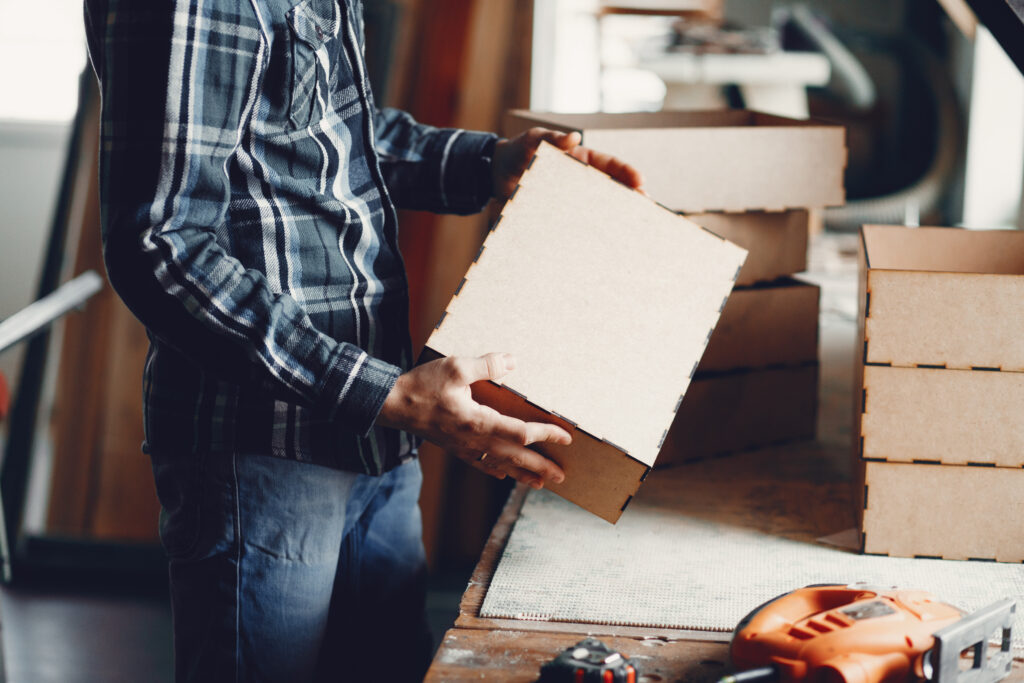
In today’s environmentally conscious world, eco-friendly paperboard manufacturing has emerged as a vital solution to reduce pollution, conserve natural resources, and promote sustainable packaging. As businesses and consumers increasingly move away from plastic, paperboard has become a preferred material due to its recyclability, biodegradability, and versatility. Eco-friendly manufacturing not only protects the environment but also supports long-term economic and social sustainability.
What Is Eco-Friendly Paperboard Manufacturing?
Eco-friendly paperboard manufacturing refers to the process of producing paperboard using sustainable raw materials, energy-efficient technologies, and environmentally responsible practices. The goal is to minimize carbon emissions, water usage, chemical waste, and deforestation while delivering high-quality, durable paperboard products suitable for packaging, printing, and industrial use.
Unlike traditional manufacturing methods, eco-friendly processes focus on a circular economy, where materials are reused, recycled, and returned to the production cycle with minimal environmental impact.
Sustainable Raw Materials: The Foundation of Green Manufacturing
One of the most important aspects of eco-friendly paperboard production is the use of recycled paper fibers and responsibly sourced virgin pulp. Manufacturers now rely heavily on post-consumer and post-industrial waste paper, reducing the need to cut down trees.
When virgin pulp is required, it is sourced from certified sustainable forests, ensuring responsible forestry practices. Agricultural waste such as bagasse (sugarcane residue) and wheat straw is also being used as an innovative alternative, reducing dependency on wood-based resources.
Energy-Efficient and Low-Emission Production Processes
Modern eco-friendly paperboard manufacturing plants are adopting energy-efficient machinery and renewable energy sources such as solar and biomass power. These measures significantly reduce greenhouse gas emissions and operational costs.
Advanced production systems are designed to optimize heat recovery and minimize energy loss. By switching from fossil fuels to cleaner energy options, manufacturers are actively contributing to climate change mitigation while maintaining high production efficiency.
Water Conservation and Wastewater Management
Traditional paper manufacturing is known for its high water consumption. Eco-friendly paperboard manufacturing addresses this issue through closed-loop water systems, which recycle and reuse water throughout the production process.
Additionally, wastewater is treated using advanced filtration and biological treatment methods before being released or reused. This prevents harmful chemicals from entering natural water bodies and helps conserve one of the planet’s most precious resources.
Chemical-Free and Safe Manufacturing Practices
Another significant advancement in eco-friendly paperboard production is the reduction or elimination of harmful chemicals. Manufacturers now use chlorine-free bleaching, non-toxic adhesives, and biodegradable coatings, ensuring the final product is safe for both consumers and the environment.
This is especially important for food packaging and pharmaceutical applications, where safety, hygiene, and environmental responsibility must go hand in hand.
Innovative Technologies Driving Sustainability
Technological innovation plays a key role in making paperboard manufacturing more sustainable. AI-driven quality control systems, automation, and smart sensors help reduce material wastage and improve production accuracy.
Lightweight paperboard development is another breakthrough, allowing manufacturers to produce strong, durable boards using less raw material. This not only reduces resource consumption but also lowers transportation emissions due to lighter packaging weight.
Benefits of Eco-Friendly Paperboard Manufacturing
Eco-friendly paperboard manufacturing offers numerous advantages for businesses, consumers, and the environment:
- Reduced environmental impact through lower carbon emissions and waste generation
- Improved brand image for businesses adopting sustainable packaging solutions
- Compliance with global environmental regulations and sustainability standards
- Cost efficiency in the long run due to energy savings and waste reduction
- Higher consumer trust, as eco-conscious buyers prefer sustainable products
Growing Demand for Sustainable Paperboard Packaging
With increasing awareness about climate change and plastic pollution, demand for eco-friendly paperboard packaging is rising across industries such as food & beverage, e-commerce, cosmetics, and healthcare. Governments and regulatory bodies are also encouraging sustainable alternatives through bans on single-use plastics and incentives for green manufacturing.
Businesses that adopt eco-friendly paperboard manufacturing today are not only contributing to environmental protection but also securing a competitive edge in a sustainability-driven market.
The Future of Eco-Friendly Paperboard Manufacturing
The future of paperboard manufacturing lies in continuous innovation, renewable resources, and zero-waste production models. As technology evolves, manufacturers will further reduce their ecological footprint while delivering superior quality products.
Eco-friendly paperboard manufacturing is no longer just an option—it is a responsibility. By embracing sustainable practices, the industry is playing a crucial role in shaping a cleaner, greener, and more responsible future for generations to come.