
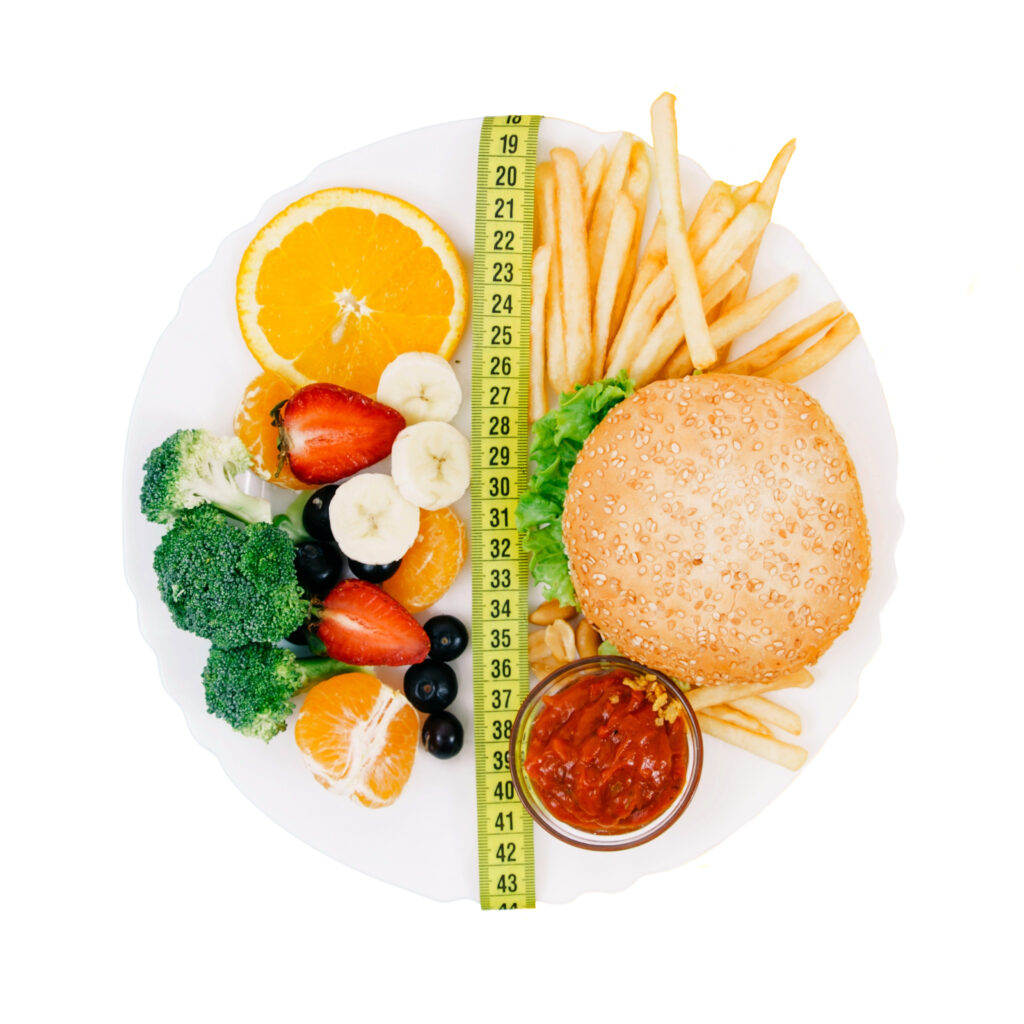
Obesity is a growing health concern worldwide, and following the right diet for obesity can make a significant difference in achieving a healthier lifestyle. A well-balanced diet not only helps in weight reduction but also improves overall well-being. Choosing the right foods, controlling portions, and maintaining consistency are key elements in any successful diet plan.
A structured diet for obesity focuses on reducing calorie intake while ensuring the body receives essential nutrients. Instead of starving, the goal is to eat smarter. Incorporating whole foods such as vegetables, fruits, lean proteins, and whole grains helps maintain energy levels while promoting fat loss. Avoiding processed and high-sugar foods is equally important for long-term success.
One of the most effective strategies in a diet for obesity is portion control. Eating large quantities, even of healthy foods, can hinder weight loss progress. Smaller, frequent meals can help regulate metabolism and prevent overeating. This approach keeps hunger in check and reduces the temptation to consume unhealthy snacks.
Protein plays a vital role in any diet for obesity as it helps in building muscle and keeping you full for longer periods. Foods like eggs, legumes, nuts, and lean meats are excellent protein sources. A protein-rich diet also boosts metabolism, making it easier to burn calories throughout the day.
Including fiber-rich foods is another essential component of a diet for obesity. Fiber aids digestion, promotes satiety, and helps control blood sugar levels. Vegetables, fruits, oats, and whole grains are great sources of fiber that should be included in daily meals to support weight management.
Hydration is often overlooked but is crucial in a diet for obesity. Drinking enough water helps flush out toxins, supports metabolism, and reduces unnecessary hunger cravings. Sometimes thirst is mistaken for hunger, leading to overeating, so staying hydrated can help prevent this.
A balanced diet for obesity should also limit the intake of refined carbohydrates and sugary beverages. Foods like white bread, pastries, and soft drinks contribute to weight gain and should be replaced with healthier alternatives like whole grains and natural drinks. Making these small changes can have a big impact over time.
Healthy fats are an important part of a diet for obesity, even though many people try to avoid fats altogether. Sources like avocados, nuts, and seeds provide essential fatty acids that support body functions and keep you satisfied. The key is moderation and choosing the right types of fats.
Meal planning is a powerful tool when following a diet for obesity. Planning meals in advance helps avoid impulsive eating and ensures that you stick to healthy options. Preparing meals at home allows better control over ingredients and portion sizes, making it easier to maintain consistency.
Physical activity complements a diet for obesity and enhances weight loss results. While diet plays a major role, combining it with regular exercise such as walking, yoga, or strength training accelerates fat loss and improves overall fitness. Even small daily activities can make a noticeable difference.
Consistency is the most important factor in any diet for obesity. Quick fixes and crash diets may show temporary results, but they are not sustainable. Developing healthy eating habits and sticking to them over time leads to lasting weight loss and better health outcomes.
Emotional eating is a common challenge when following a diet for obesity. Stress, boredom, or sadness can lead to overeating. Identifying triggers and finding healthier coping mechanisms, such as meditation or hobbies, can help maintain control over eating habits.
Sleep also plays a crucial role in a successful diet for obesity. Lack of sleep can disrupt hormones that regulate hunger, leading to increased appetite and weight gain. Ensuring 7–8 hours of quality sleep supports weight loss and overall health.
Tracking progress is beneficial when following a diet for obesity. Keeping a food diary or using apps can help monitor eating habits and identify areas for improvement. This awareness increases accountability and keeps motivation high throughout the journey.
In conclusion, adopting the right diet for obesity is not about restriction but about making healthier choices and maintaining balance. By focusing on nutrient-rich foods, portion control, hydration, and consistency, anyone can achieve sustainable weight loss. Remember, the journey to a healthier body is gradual, and patience combined with dedication will always bring the best results.